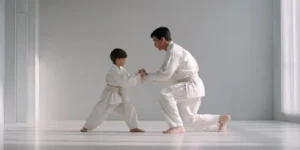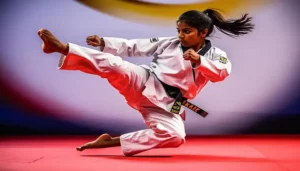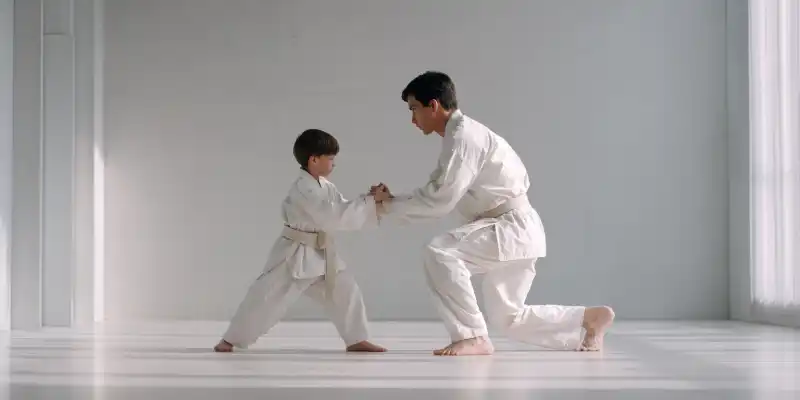
Parents often come to me when their child is dealing with bullying. Some kids go quiet. Others react quickly. Many start to lose confidence without saying much.
There is a belief that martial arts will teach a child how to fight back. That is not what I teach.
Martial arts for bullying prevention is not about fighting. It is about forming a child who carries themselves with control, confidence, and discipline.
Bullying is not just a physical issue. It is a problem of pressure, identity, and how a child responds when challenged.
“For God gave us a spirit not of fear but of power and love and self-control.” — 2 Timothy 1:7
What we are building in training is not aggression. It is self-control under pressure.
Repetition Builds Calm Confidence
In the dojang, we repeat the basics constantly. Stances, blocks, strikes—again and again.
It can look simple from the outside. But this is where confidence is built.
A child who repeats a movement hundreds of times begins to trust themselves. They don’t guess. They don’t hesitate.
That carries outside the dojang.
When a child faces pressure—whether it is teasing, confrontation, or intimidation—they are less likely to freeze. They have trained their body and mind to stay steady.
Confidence is not something you tell a child to have. It is something they earn through repetition.
Confidence-Building Activities for Minecrafters

Perseverance Through Difficulty
Training is not always enjoyable.
There are days when your child will feel tired, frustrated, or discouraged. Progress can feel slow.
This is where real growth happens.
When a child learns to stay through discomfort, they begin to develop resilience. They stop expecting things to be easy.
That matters when dealing with bullying.
A child who has never faced difficulty will often shut down quickly under pressure. A child who has trained through hard moments understands that discomfort is not something to run from.
They stay in the moment. They endure.
That is a different kind of strength.
Humility in Being Corrected
In martial arts, correction is constant.
An instructor will adjust a stance, fix a hand position, or call out a mistake. Sometimes this happens in front of others.
This teaches humility.
A child learns that being corrected is not an attack. It is part of growth.
Outside the dojang, this matters more than most parents realize.
When a child is teased or challenged, their first reaction is often emotional. But a child trained in humility is less reactive.
They don’t take every comment as something they must fight. They have learned to stay composed.
That composure reduces escalation.
Respect and Self-Control in Training
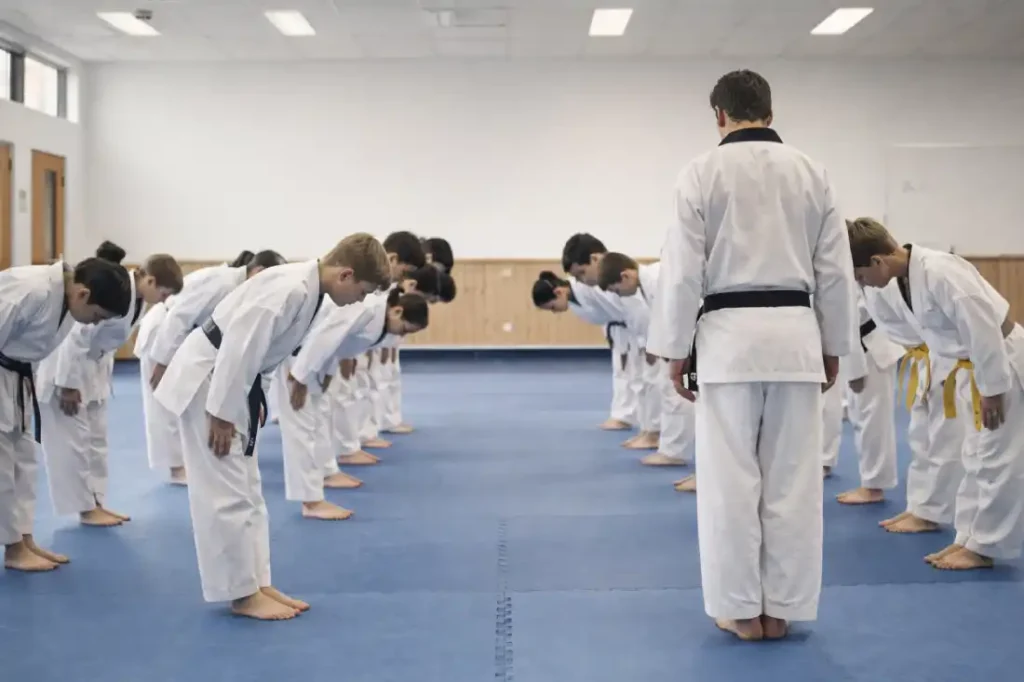
Respect is not optional in the dojang.
Students bow. They listen. They follow instruction.
This is not about control. It is about building self-control.
A respectful child is not weak. They are measured.
They understand that not every situation requires a reaction. They know when to step forward and when to step back.
In bullying situations, this is critical.
Escalation often feeds the problem. Self-control limits it.
A child who can stay calm in tense moments has an advantage that goes beyond physical ability.
Leadership Changes How a Child Carries Themselves
As students progress, they are expected to lead.
Not through dominance, but through example.
They help younger students. They demonstrate technique. They take responsibility for their actions.
This begins to change how they carry themselves.
Posture improves. Eye contact becomes steady. Their tone becomes calm and clear.
These small changes matter.
Children who appear unsure are often targeted. Children who carry themselves with quiet confidence are less likely to be.
Leadership is not about being in charge. It is about becoming steady.
A Simple Character Check
If your child is training, here are a few things to watch for.
For your child: • Do they stay when training feels difficult? • Do they accept correction without shutting down? • Are they becoming more steady over time?
For you as a parent: • Is your child avoiding pressure or learning to face it? • Are they growing in respect and self-control? • Do they handle frustration better than before?
These are the real markers of progress.
Not belts. Not trophies.
Character.
Yeah—that’s actually a strong crossover. It fits naturally.
You’re not forcing a sale. You’re giving a parent a next step.
Let’s tighten it so it feels like it belongs on your Taekwondo site, not a funnel.
Start With a Clear Next Step
If you’re concerned about your child and how they’re handling pressure, the first step is clarity.
Most parents don’t realize where their child is struggling until they see it clearly on paper.
I’ve put together a simple Confidence Checklist to help you assess: • how your child responds in difficult situations • where confidence may be lacking • what needs to be strengthened
Go through it honestly. It will give you a clear starting point.
If you want a structured way to begin building discipline and confidence at home, the Raising Warriors program walks you through that step-by-step.